
You wipe down the counter, and an hour later, there’s a trail of them again. Viera East homeowners know this routine well. The problem is rarely about kitchen cleanliness, and it traces back to factors outside the house: the sandy soil, the irrigated lawns, and the year-round warmth that lets colonies stay active when they’d be dormant somewhere colder.
The ants on your counter are a symptom of something happening in your yard.
Why Viera East Has an Ant Problem
Everything an ant colony needs to flourish is right here. The soil is sandy and loose, easy to tunnel through.
Irrigation keeps moisture available even when it hasn’t rained in weeks. Add a climate where colonies never shut down for winter, and you get large, well-established colonies that have folded your home into their regular foraging route. They’re not visiting. They live next door and treat your kitchen as a food source.
Sandy Soil and Irrigated Lawns
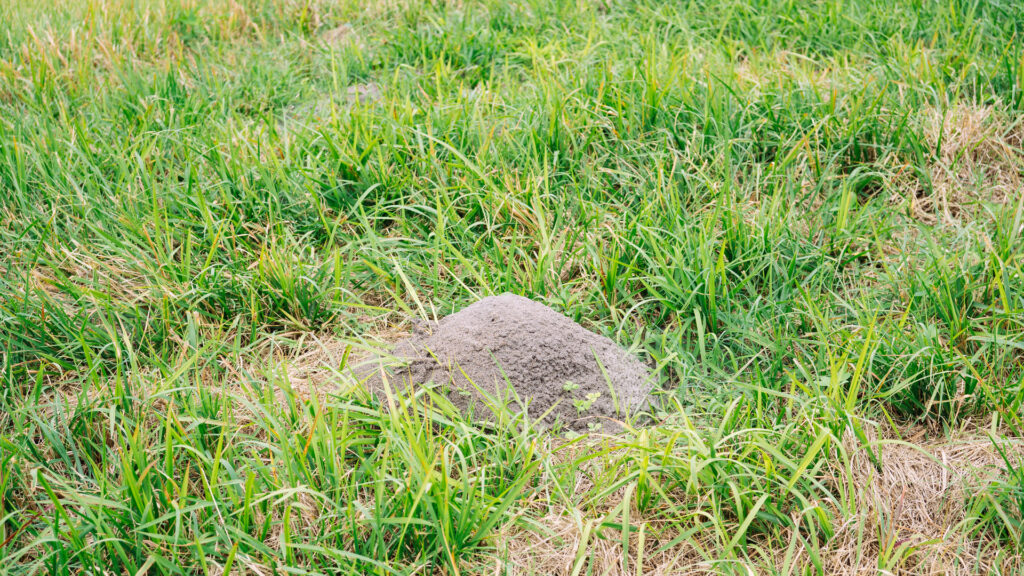
Sandy soil does more for ants than most homeowners realize. It drains quickly, which they prefer, and stays loose enough for a colony to spread out underground into smaller side nests with little effort.
The irrigation that keeps a Florida lawn green is the same water source keeping those colonies hydrated through the dry months. The healthier the lawn looks, the better the conditions are for the ants living under it. It’s an uncomfortable trade-off, and it’s one of the reasons ant pressure here stays high no matter the season.
Fire Ants vs Ghost Ants Here
Viera East homeowners deal with two very different ant problems. Fire ants are an outdoor threat with a painful sting and mounds in lawns and open areas. Ghost ants are an indoor nuisance, tiny and pale, trailing across counters and into food. Both are common in the area, and the approach to controlling each is different.
Telling the Two Apart
Knowing which ant you’re dealing with helps:
● Reddish-brown and quick to sting when disturbed, fire ants build the raised dirt mounds you see in lawns
● Ghost ants run tiny and pale, with dark heads and almost translucent legs
● Fire ants stay mostly outdoors, while ghost ants pour inside in large numbers
● If trails are running along your counters and baseboards, you’re looking at ghost ants
Being stung in the yard means fire ants. Tiny pale ants in the kitchen mean ghost ants. The treatment strategy depends entirely on which one you have, and confusing the two wastes time and money.
How Ant Infestations Spread
A few ants in the kitchen rarely stay a few ants. Colonies send out scouts to find food and water, and once a scout finds something reliable inside your home, it lays down a chemical trail that brings the rest of the colony straight to the spot.
One or two ants become a steady stream in a day. That chemical trail is the reason wiping up the ants you see accomplishes so little. The signal is still there. The next group follows it right back.
From Your Yard Into Your Home
The path inside is shorter than people think. Ants follow moisture and food, and the gaps they use are usually invisible to the homeowner. Common entry routes include:
● Cracks in the foundation or slab
● Gaps around plumbing and utility lines
● Spaces under door thresholds and around window frames
● Branches or vegetation touching the house, which act as a bridge
Kill the visible ants once a trail is set, and the colony doesn’t even register it. The nest is still outside, still producing, and the scouts find another way in within hours.
DIY Ant Control: Why It Fails
Most homeowners reach for an ant spray. It feels like it’s working because the visible ants die on contact. Here’s the part nobody mentions on the label: spraying a trail can make a ghost ant problem dramatically worse.
Ghost ant colonies respond to stress by budding, splitting into multiple separate colonies, each with its own queen. You spray one trail and end up with three. It’s one of the most counterproductive things a homeowner can do, and almost nobody finds out until they’ve already multiplied the problem.
What Baits and Sprays Miss
The limitation with store-bought products is simple. They kill the ants you can see and never touch the colony you can’t. The visible foragers are a small fraction of the population and the most expendable part of it. Meanwhile, the queens stay protected in the nest, laying eggs around the clock.
If the treatment doesn’t reach the queens, the colony rebuilds and the trails come back. A contact spray takes out foragers and leaves the reproductive core completely intact.
Our Ant Treatment in Viera East
The treatment needs to reach the colony, not just the trail. We use products designed to be carried back to the nest by the foragers themselves, so the queens and the broader colony take the hit rather than the handful of ants on your counter.
That covers the interior where ants are trailing, the exterior perimeter where they cross into the home, and the yard conditions supporting the colonies to begin with.
Inside, Outside, and the Lawn
A complete ant treatment in Viera East covers three zones:
● Interior treatment along trails, entry points, and the spots where ants are foraging
● Exterior perimeter work to intercept ants before they reach the house
● Lawn and landscape treatment targeting fire ant mounds and the colonies feeding on indoor trails
Treating all three is what separates a lasting result from a temporary one. Skip the yard and the colony keeps sending reinforcements. Skip the interior and the ants already inside keep trailing. The whole system has to come together at once, and that’s why a single can of spray rarely lasts more than a week or two in this area.
Get Ant Control in Viera East
Ant problems in Viera East don’t resolve on their own, and the sandy soil and irrigated lawns mean the colonies producing them aren’t going anywhere. Call us at 321-340-3205 or request a free quote to schedule an ant control treatment.