
Florida beaches are famous for their beauty. We picture white sand, rolling waves, and bright sunshine. Most visitors hunt for seashells or watch dolphins in the surf. However, the dunes hold more than meets the eye. If you look closely, you will find a busy world of spiders.
These eight-legged locals play an important role along the coast. For many people, the idea of spiders at the beach feels surprising. We usually expect them in gardens or dark attics. Yet, spiders love coastal areas too. They help keep beaches pleasant by eating pests. Because of this, understanding them can improve your vacation.
It also helps to know which spiders are harmless and which need caution. Most species are gentle and shy. When you learn about them, fear often turns into fascination. This guide explores the most common beach spiders found in the Sunshine State.
Beach Wolf Spiders
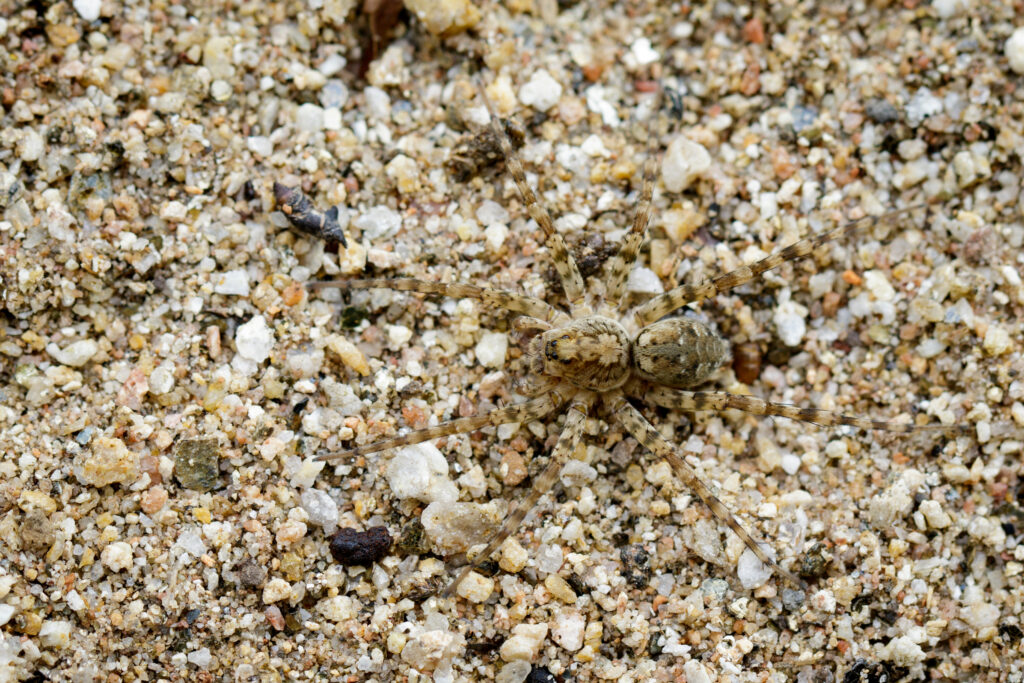
At night, the beach feels completely different. If you walk near the shoreline after dark, you may notice movement. A pale blur might race across the sand. In most cases, this is a beach wolf spider. These spiders rule the open shoreline.
They are perfectly adapted to beach life. Unlike dark house spiders, they have pale bodies. Their colors include white, gray, and tan. This coloring helps them blend into the sand. As a result, they stay hidden until they move. During the day, they rest in cool burrows. At night, they come out to hunt.
Beach wolf spiders do not spin webs. Instead, they chase their prey. They rely on speed and sharp eyesight. Many people call them the cheetahs of the dunes. They eat sand flies, gnats, and other small insects. Because of this, they help reduce biting pests.
Their size can be intimidating at first. Some grow quite large. Still, they are not aggressive. In fact, they are very shy. When approached, they usually run away. They prefer hiding in crab holes or under driftwood. For this reason, they rarely cause problems for people.
How to Spot a Beach Wolf Spider:
- Check for eye shine by using a flashlight at night
- Look for pale colors that match the sand
- Watch for fast movement instead of webs
- Observe areas near dunes and the high tide line
Orb Weavers
While wolf spiders dominate the ground, orb weavers control the air. Beachside plants support many insects. Sea grapes and sea oats provide perfect homes for web builders. Orb weavers create large, detailed webs. Coastal winds help carry flying insects into their traps.
The most famous species is the Golden Silk Orb Weaver. Many locals call them Banana Spiders. They are easy to recognize. Females are large and have yellow and black bodies. Their webs are enormous and eye-catching. The silk even shines with a golden glow in sunlight. It is also extremely strong.
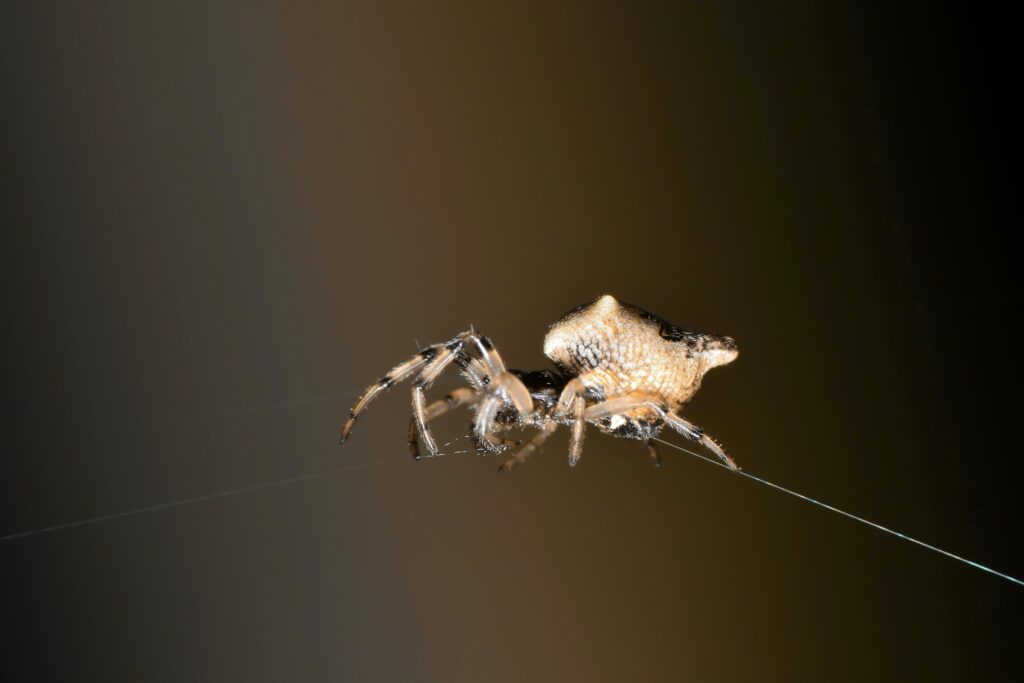
Another common spider is the Spiny-backed Orb Weaver. These spiders are much smaller. They resemble tiny crabs with hard shells. Red or black spines cover their backs. You often see them in palm trees near parking areas. They look like colorful ornaments floating in the air.
These spiders are harmless to people. They stay in their webs and wait patiently. Their main job is catching mosquitoes and horseflies. This makes them helpful beach neighbors. If you spot one, simply give it space. They quietly reduce the bug population.
The Overlooked Risks of Beach Spiders
Most beach spiders are safe to be around. Still, a few deserve caution. Beaches provide many hiding spots. Driftwood and boardwalks create perfect shelter. Because of this, it helps to recognize venomous spiders in Florida.
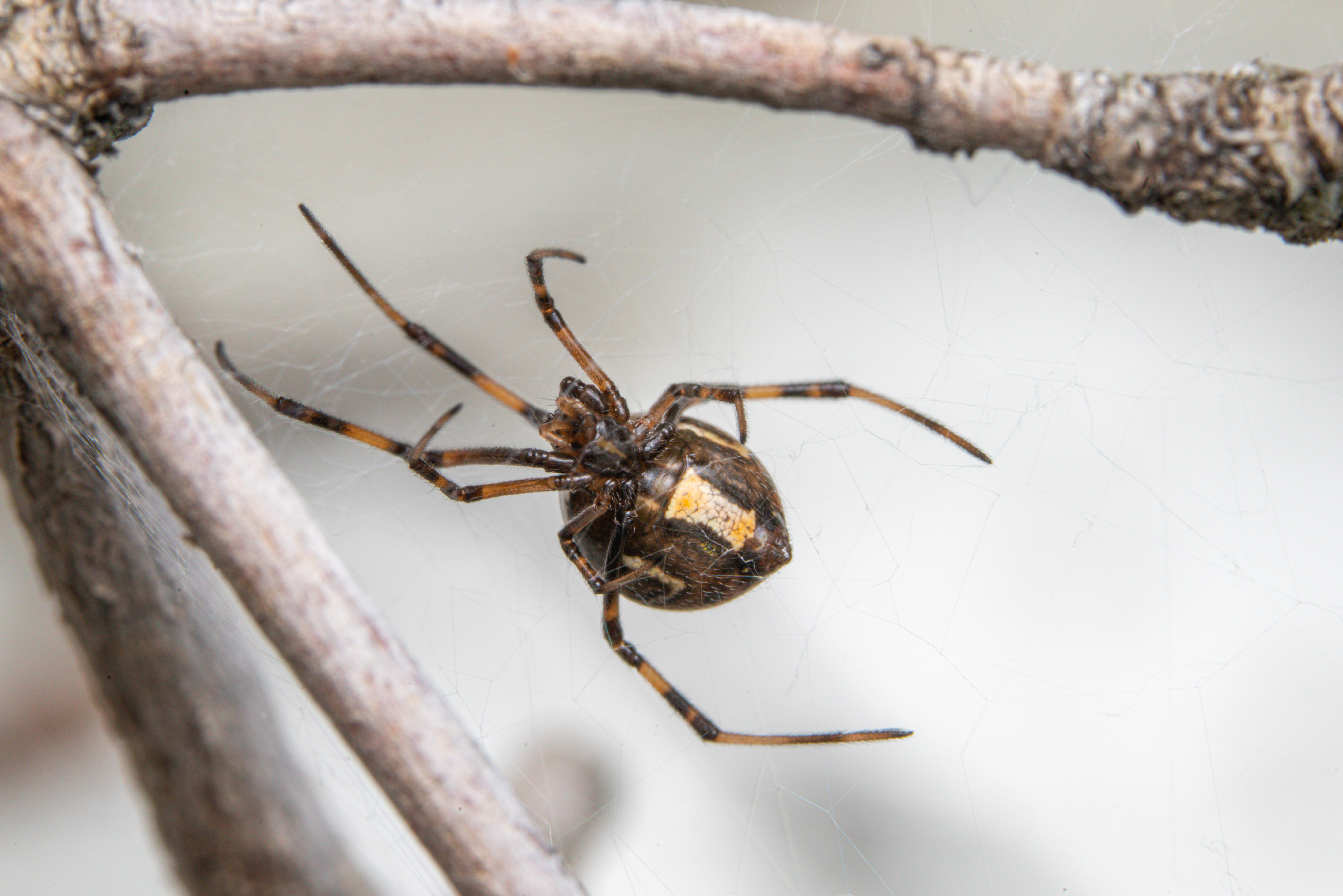
The main concern comes from widow spiders. Florida is home to both Southern Black Widows and Brown Widows. These spiders prefer dark, dry spaces. Unfortunately, driftwood piles offer ideal conditions. Deep cracks and shaded areas give them protection. Widows build messy webs inside these spots.
Brown Widows are especially common near beaches. They like man-made structures. You may find them under boardwalk railings or benches. Their egg sacs are easy to spot. They look spiky and cream-colored, like tiny sea mines.
Bites are rare, but they can happen. Most occur when a spider feels trapped. For example, someone might grab wood without gloves. Others may sit without checking first. To stay safe, always look before touching. Check benches and railings. Wear gloves when handling driftwood.
Common Hiding Spots for Widow Spiders:
- Driftwood piles with deep crevices
- Undersides of boardwalk railings
- Beneath picnic benches
- Recessed trash can handles
Jumping Spiders
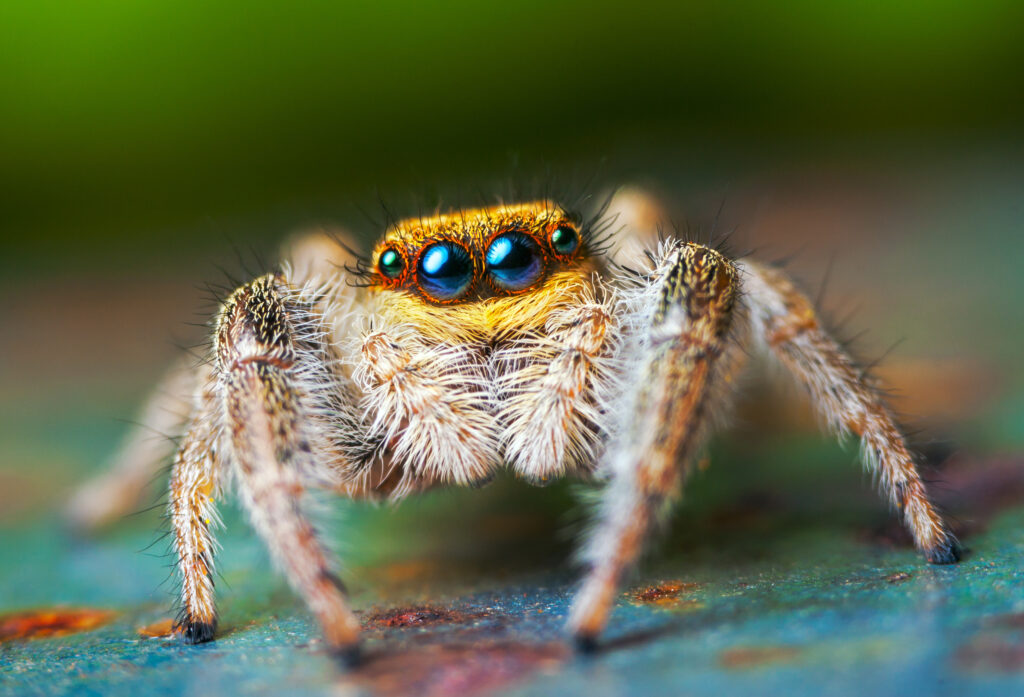
Not all beach spiders hide or look intimidating. Some are surprisingly charming. Jumping spiders often appear on wooden railings. Florida has many species, including the Regal Jumping Spider.
These spiders are small and fuzzy. They have large forward-facing eyes. This gives them an expressive look. Unlike most spiders, they show curiosity. Many will turn to watch you pass. This behavior makes them very engaging.
They do not hunt with webs. Instead, they stalk their prey carefully. Then, they leap to catch flies. You will often see them on piers and walkovers. They stay active during the day. Because they eat flies, they are helpful to have nearby.
Many people enjoy observing them. They move like tiny gymnasts. Jumping spiders are harmless to humans. If one lands on you, it will usually jump away. They add personality to beach structures.
Why Spiders Matter to the Coast
A bug-free beach sounds appealing. However, spiders help make that possible. They play a vital role in the ecosystem. Living in the dunes is tough. Food and shelter are limited. Spiders help keep the balance.
Take biting midges, also called “no-see-ums.” These tiny insects can ruin a sunset. Orb weavers eat hundreds of them. Wolf spiders control pests on the ground. Without spiders, these insects would multiply quickly. The beach would become far less enjoyable.
Spiders also support other wildlife. Shorebirds eat them for protein. Lizards hunt them in the dunes. Even colorful birds, like the Painted Bunting, rely on spiders. Because of this, spiders support the entire food web.
They also protect dune plants. Many insects feed on sea oats. Spiders eat those insects. This allows plants to survive and grow. Healthy plants stabilize sand. As a result, spiders even help reduce erosion.
Tips for Coexisting Safely
Sharing the beach with wildlife is part of the Florida experience. A few simple habits can prevent problems. First, always shake out your gear. Shoes and towels make great hiding places. A spider may crawl into a sneaker for shade.
Next, stick to marked paths. Boardwalks protect fragile dunes. They also keep you away from webs. Most orb weavers live in thick brush. Staying on paths protects both you and the spider.
Also, check beach chairs before use. Spiders may hide in folds. Rinse chairs and toys when you get home. This prevents accidental stowaways in your garage.
Finally, respect their space. If you see a spider, observe from a distance. They are not trying to bother you. In fact, they are helping by eating pests.
Simple Steps for Safety:
- Shake towels before using them
- Check shoes left on the sand
- Rinse gear after your trip
- Wear gloves when collecting wood
What About Indoor Spiders?
Learning about Florida’s beach spiders can make your time on the coast more enjoyable. However, spiders do not belong inside your home. While most species are harmless, no one wants unexpected webs, egg sacs, or crawling pests indoors.
That is where Orange Pest Control can help. Our professional spider prevention and removal services are designed for Florida homes. We identify entry points, remove existing spiders, and help prevent future infestations. As a result, you can enjoy peace of mind year-round.
Whether spiders hitch a ride home from the beach or settle in naturally, early treatment matters. Our team uses safe, effective methods tailored to local spider species. We focus on long-term prevention, not just quick fixes.
If you are seeing spiders, webs, or insects that attract them, now is the time to act. Contact Orange Pest Control today to schedule an inspection. Let us keep spiders where they belong—outside—so your home stays comfortable, clean, and protected.
Updated: 12/23/2025