
Most people swat at a mosquito, notice the welt an hour later, and move on. In many cases, that’s the right call. But in Florida, especially during peak season in Melbourne, mosquito bites carry risks that go well beyond an itchy bump.
Knowing what to watch for after a bite and what’s driving the mosquito pressure around your home is worth understanding before you’re deep into summer.
Why Mosquitoes Bite
Only female mosquitoes bite. They need blood to develop their eggs, and they’re not picking victims at random. Carbon dioxide is the main signal: every breath you exhale registers as a target. Body heat and sweat compounds pull them in closer, and certain blood types do appear to attract more attention than others, though researchers are still working out exactly why.
Florida’s year-round warmth means the season for all of this starts earlier and ends later than most people expect, even for longtime Melbourne residents who think they’ve gotten used to it.
What Attracts Them to You
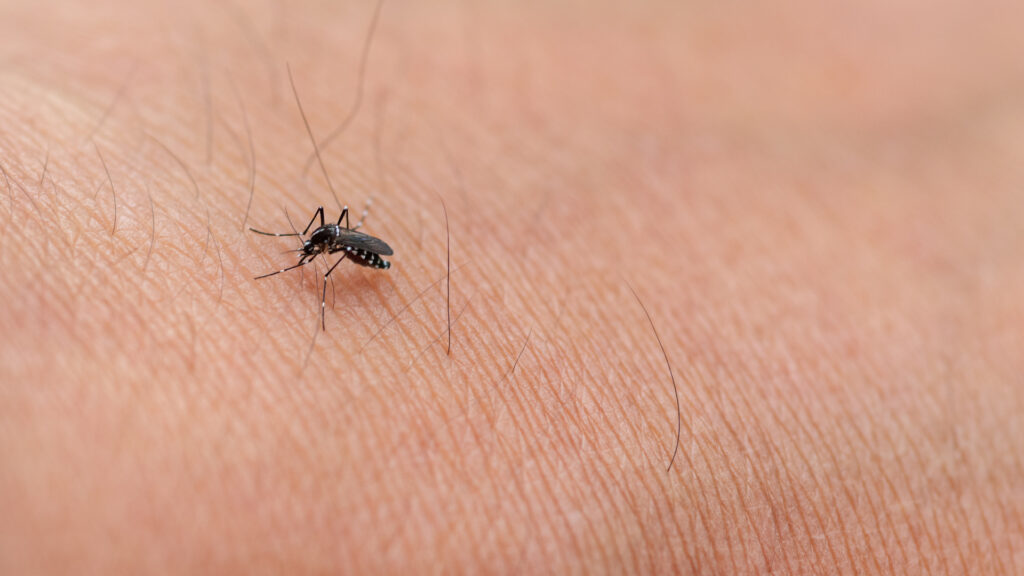
A few things that draw mosquitoes in faster:
● Higher body temperature after exercise or exertion
● Dark-colored clothing, which holds heat longer
● Floral or fruity fragrances in sunscreen, lotion, or spray
● Being outside at dusk or dawn, when mosquitoes are most active
Florida’s humidity keeps mosquitoes active well into the evening. In Melbourne, that April-through-October window is long enough that even short stretches of regular outdoor time add up to a lot of exposure over a season.
Mosquito Bite Symptoms
What you’re reacting to isn’t the bite itself. It’s the mosquito’s saliva. The welt, the redness, the itch: all of that is your immune system responding to proteins injected during feeding. For most people, it stays local and clears up within a few days, but the range of reactions is wider than most people realize until they’ve been bitten enough times through a Florida summer.
When Symptoms Turn Serious
Some people react more strongly than others, and the symptoms worth tracking look like this:
● Swelling that spreads well past the bite site
● Hives or a rash moving away from where the bite landed
● Low-grade fever appearing within 24 to 48 hours
● Swollen lymph nodes in the area near the bite
Kids and anyone with a weakened immune system tend to land on the stronger end of that spectrum. If symptoms escalate fast or breathing becomes difficult, that’s not a situation to monitor at home.
Mosquito-Borne Diseases in Florida
Melbourne’s combination of warm temperatures, standing water, and high mosquito density keeps the risk of disease transmission high throughout most of the warm season. If you’re not sure what might be breeding around your property, it helps to get ahead of breeding sites before the pressure builds.
West Nile and Zika in Brevard
West Nile virus shows up in Florida more consistently than most people realize. About four in five people who contract it never notice any symptoms at all. The one in five who do tend to feel it as fever, body aches, and fatigue. A smaller group develops neurological complications serious enough to need hospitalization.
Zika drew national attention when Florida recorded local transmission several years ago. Active cases have declined, but the mosquito species that spreads Zika, remains widespread in Brevard County.
Dengue, chikungunya, and eastern equine encephalitis have also been documented in Florida, with most cases clustering in the hotter months. The Florida Department of Health tracks this by county, and their data updates regularly. It’s worth a quick check before spending extended time outdoors during the heavy season.
How to Treat Mosquito Bites
The itch is your body’s reaction to the mosquito’s saliva, so the fastest relief targets that reaction directly. Most of the products marketed for bite relief work on the symptom rather than the cause, which is why some people cycle through three or four options before landing on something that helps.
Stopping the Itch at Home
What works:
● Cold compress held for 10 minutes at a time brings swelling down fast
● Hydrocortisone cream applied early cuts the itch cycle before it gets going
● Oral antihistamines help significantly for people prone to stronger reactions
● Keeping the skin clean matters more than most people think, because broken skin from scratching is how bites get infected
Skip the heat treatments and numbing sprays. Heat worsens inflammation, and topical numbing agents wear off quickly enough that the rebound itch is often worse than before. A bite that’s still getting more painful after 48 hours, or that shows streaking around it, needs a doctor rather than another round of trial-and-error products.
Protect Your Yard This Season
Standing water is the real problem. An inch of water in a clogged gutter or a forgotten container in the yard is enough for a full breeding cycle, and it only takes about a week from egg to biting adult. Yards with poor drainage or dense ground cover can sustain mosquito populations that no amount of personal repellent will meaningfully offset.
Why DIY Falls Short
Repellents and citronella products work for the person wearing or using them in that moment. The breeding population in the yard doesn’t notice. We’ve worked with a lot of homeowners who were doing everything right on paper. The problem was almost always breeding sites that weren’t visible from the back porch.
Our approach combines a barrier spray with breeding site elimination — targeting both where mosquitoes live and where they multiply — which actually reduces the mosquito population rather than just personal exposure. We cover homeowners across Melbourne and surrounding Brevard County, where coastal humidity and retention water make the problem harder to manage without professional help.
Get Mosquito Control in Brevard County
Brevard’s mosquito season runs long enough that writing off your yard from May through September isn’t a workable option for most families. If mosquito bites are becoming a routine part of being outside at your own home, call us at 321-340-3205 or to schedule a treatment.
eople swat at a mosquito, notice the welt an hour later, and move on. In many cases, that’s the right call. But in Florida, especially during peak season in Brevard County, mosquito bites carry risks that go well beyond an itchy bump.
Knowing what to watch for after a bite and what’s driving the mosquito pressure around your home is worth understanding before you’re deep into summer.
Why Mosquitoes Bite
Only female mosquitoes bite. They need blood to develop their eggs, and they’re not picking victims at random. Carbon dioxide is the main signal: every breath you exhale registers as a target. Body heat and sweat compounds pull them in closer, and certain blood types do appear to attract more attention than others, though researchers are still working out exactly why.
Florida’s year-round warmth means the season for all of this starts earlier and ends later than most people expect, even for longtime Brevard residents who think they’ve gotten used to it.
What Attracts Them to You
A few things that draw mosquitoes in faster:
- Higher body temperature after exercise or exertion
- Dark-colored clothing, which holds heat longer
- Floral or fruity fragrances in sunscreen, lotion, or spray
- Being outside at dusk or dawn, when feeding activity peaks
Florida’s humidity keeps mosquitoes active well into the evening. In Brevard County, that April-through-October window is long enough that even short stretches of regular outdoor time add up to a lot of exposure over a season.
Mosquito Bite Symptoms
What you’re reacting to isn’t the bite itself. It’s the mosquito’s saliva. The welt, the redness, the itch: all of that is your immune system responding to proteins injected during feeding. For most people, it stays local and clears up within a few days, but the range of reactions is wider than most people realize until they’ve been bitten enough times through a Florida summer.
When Symptoms Turn Serious
Some people react more strongly than others, and the symptoms worth tracking look like this:
- Swelling that spreads well past the bite site
- Hives or a rash moving away from where the bite landed
- Low-grade fever appearing within 24 to 48 hours
- Swollen lymph nodes in the area near the bite
Kids and anyone with a weakened immune system tend to land on the stronger end of that spectrum. If symptoms escalate fast or breathing becomes difficult, that’s not a situation to monitor at home.
Mosquito-Borne Diseases in Florida
Brevard County’s combination of warm temperatures, standing water, and high mosquito density keeps the risk of disease transmission high throughout most of the warm season. If you’re not sure what might be breeding around your property, it helps to know how to identify and eliminate mosquito breeding sites before the pressure builds.
West Nile and Zika in Brevard
West Nile virus shows up in Florida more consistently than most people realize. About four in five people who contract it never notice any symptoms at all. The one in five who do tend to feel it as fever, body aches, and fatigue. A smaller group develops neurological complications serious enough to need hospitalization.
Zika drew national attention when Florida recorded local transmission several years ago. Active cases have declined, but Aedes aegypti, the species responsible, remains widespread in Brevard County.
Dengue, chikungunya, and eastern equine encephalitis have also been documented in Florida, with most cases clustering in the hotter months. The Florida Department of Health tracks this by county, and their data updates regularly. It’s worth a quick check before spending extended time outdoors during the heavy season.
How to Treat Mosquito Bites
The itch is an inflammatory response, so the fastest relief targets inflammation directly. Most of the products marketed for bite relief work on the symptom rather than the cause, which is why some people cycle through three or four options before landing on something that helps.
Stopping the Itch at Home
What works:
- Cold compress held for 10 minutes at a time brings swelling down fast
- Hydrocortisone cream applied early cuts the itch cycle before it gets going
- Oral antihistamines help significantly for people prone to stronger reactions
- Keeping the skin clean matters more than most people think, because broken skin from scratching is how bites get infected
Skip the heat treatments and numbing sprays. Heat worsens inflammation, and topical numbing agents wear off quickly enough that the rebound itch is often worse than before. A bite that’s still getting more painful after 48 hours, or that shows streaking around it, needs a doctor rather than another round of trial-and-error products.
Protect Your Yard This Season
Standing water is the real problem. An inch of water in a clogged gutter or a forgotten container in the yard is enough for a full breeding cycle, and it only takes about a week from egg to biting adult. Yards with poor drainage or dense ground cover can sustain mosquito populations that no amount of personal repellent will meaningfully offset.
Why DIY Falls Short
Repellents and citronella products work for the person wearing or using them in that moment. The breeding population in the yard doesn’t notice. We’ve worked through a lot of DIY mosquito control situations in Florida with homeowners who were doing everything right on paper. The problem was almost always breeding sites that weren’t visible from the back porch.
Our mosquito lawn treatments combine barrier spray with source reduction, which moves the needle on population numbers rather than just on personal exposure in the moment. We cover homeowners across the county, including Cocoa Beach and Palm Bay, where coastal humidity and retention water make the problem harder to manage without professional help.
Get Mosquito Control in Brevard County
Brevard’s mosquito season runs long enough that writing off your yard from May through September isn’t a workable option for most families. If mosquito bites are becoming a routine part of being outside at your own home, call us at 321-340-3205 or reach out online to schedule a treatment.