
Knowing whether you have a cockroach problem before these pests take over entire sections of your home saves you from extensive damage and costly treatments. People miss early signs of roaches because these pests hide exceptionally well during daylight hours and only reveal themselves after populations grow large enough to compete for hiding spaces.
Florida’s climate supports year-round breeding, which means a few roaches spotted in your kitchen represent hundreds more living inside your walls, cabinets, and appliances. Recognizing these five warning signs helps you check for cockroaches before infestations require extensive treatment and costly repairs.
1. Spotting Smear Trails & Egg Cases
Wall cockroach smear marks appear as irregular brown or black streaks along baseboards, corners, and vertical surfaces where roaches travel repeatedly between their hiding spots and food sources.
Roaches produce these marks from body oils and feces that accumulate on surfaces they contact regularly, creating visible pathways you can trace back to harborage areas. Smear marks concentrate heavily near water sources like sinks, dishwashers, and leaky pipes, where roaches drink and congregate.
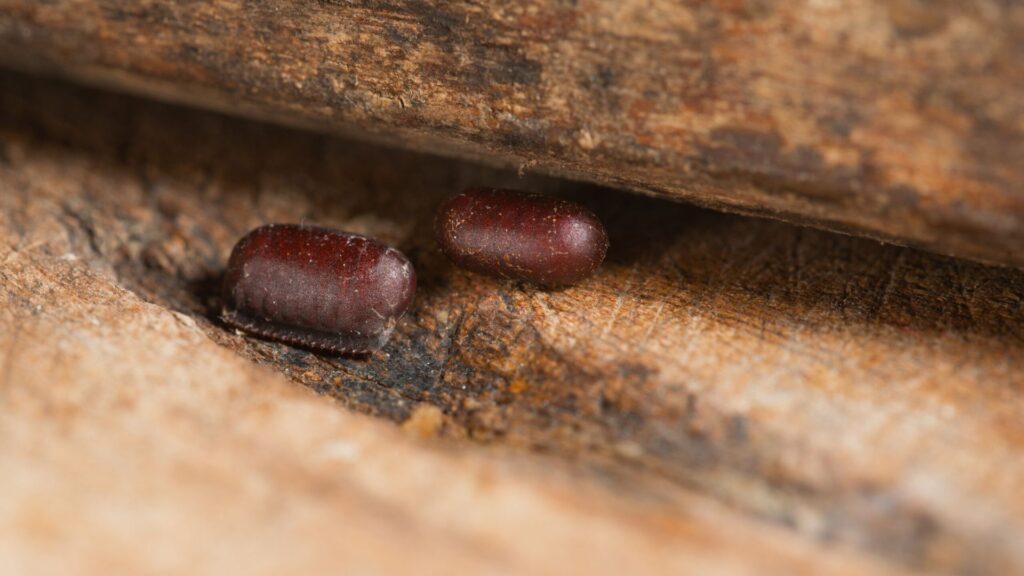
Cockroach eggs look like small brown capsules called oothecae that females deposit in protected locations throughout your home. One of the differences between German and American cockroaches is that German roach egg cases measure about 8mm long and contain up to 40 eggs each, while American roach cases reach 10mm and hold around 16 eggs.
You’ll find these cases glued to surfaces inside cabinets, behind appliances, in pantry corners, and along the undersides of furniture.
2. That Musty Smell Means German Roaches
German cockroach odor intensifies as populations grow larger, creating a distinct musty or oily smell that permeates kitchens, bathrooms, and other infested areas. This smell comes from pheromones that roaches release to communicate with colony members, plus the accumulation of feces and body oils in concentrated harborage sites.
Cockroach poop smell often gets described as musty, sour, or similar to mildew, though severe infestations produce stronger odors that visitors notice immediately upon entering your home.
Are Florida cockroach smells dangerous beyond indicating infestation severity? While roach odors themselves don’t cause direct harm, they signal contamination levels high enough to trigger asthma and allergies in sensitive individuals. Children living in homes with noticeable roach odors face higher risks of developing asthma and experiencing severe allergic reactions.
3. What Cockroach Droppings Look Like
Roach droppings vary by species but always indicate active feeding and harborage areas worth investigating further.
German roach droppings resemble ground black pepper or coffee grounds scattered along cabinet shelves, drawer corners, and countertop edges. American roach droppings look larger and more cylindrical with ridges running lengthwise, often appearing in basements, garages, and utility rooms where these bigger roaches prefer to live.
Fresh droppings appear dark and moist, while older ones dry out and turn grayish-brown. Large concentrations signal nearby nesting sites where roaches spend most of their time between feeding trips.
You’ll spot droppings most heavily in areas where roaches find consistent food access, like inside pantries near spilled grains, under sinks where crumbs accumulate, and around pet food bowls left out overnight.
4. When Roaches Come Out to Feed
The time cockroaches come out at night determines your best chance of spotting active infestations before populations explode. Roaches become most active during the first few hours after dark, typically between 10 PM and 2 AM, when human activity stops and lights stay off.
While cockroaches don’t sleep during the day like mammals, they do remain hidden in dark, tight spaces during daylight to avoid predators and desiccation from dry air. Spotting roaches during daytime hours signals severe overcrowding, where competition for hiding spaces forces some individuals into less desirable, exposed areas.
Daytime roach activity means your infestation reached critical levels requiring immediate professional cockroach extermination to prevent further population growth and contamination spread. Understanding what attracts roaches helps you eliminate conditions that support their presence.
5. Where Cockroaches Hide in Homes
To tell if your furniture has roaches, start by checking dark crevices where these pests squeeze into.
Roaches infest upholstered furniture by entering through tears in fabric, gaps between cushions, and openings around wooden frames. You’ll find them inside recliners, sofas, and mattresses, where they stay close to sleeping humans who provide warmth and carbon dioxide that attracts roaches.
Kitchen cabinets harbor the largest roach populations since food sources concentrate in these areas. Check behind and under appliances like refrigerators, stoves, and dishwashers, where warmth and moisture create ideal conditions. Roaches also gather inside wall voids accessible through electrical outlets, behind loose wallpaper, and within gaps where baseboards separate from walls.
Cockroaches in garages and utility spaces exploit cluttered storage areas filled with cardboard boxes they use for both food and harborage. Roaches enter through floor drains, foundation cracks, and gaps around utility penetrations that connect your garage to the main living areas.
Apartments face unique challenges since roaches travel between units through shared walls, plumbing chases, and ventilation systems that spread infestations throughout entire buildings.
Your Roach Elimination Options
Commercial roach control and residential treatments both require comprehensive approaches that combine sanitation improvements, exclusion repairs, and strategic pesticide applications. You can’t eliminate established infestations using store-bought sprays alone since roaches develop resistance quickly and populations rebound within weeks without proper follow-through.
Professional services target roach colonies at their source using gel baits, insect growth regulators, and residual treatments applied where roaches actually live rather than where you occasionally spot them passing through.
Treatments work fastest when you address sanitation issues and entry points simultaneously, eliminating food sources and sealing gaps that allow new roaches to invade from outside.
FAQ
Can you smell cockroach poop?
Yes, cockroach droppings produce musty odors that intensify as populations grow and fecal accumulations build up in harborage areas. Large infestations create noticeable smells even before you spot live roaches or droppings directly.
What are the signs of roaches in my furniture?
Look for droppings resembling coffee grounds, shed skins near seams and crevices, egg cases glued under cushions, and live roaches emerging when you move or disturb furniture at night. Musty odors emanating from upholstered pieces also indicate roach presence.
When are cockroaches most active?
Roaches become most active between 10 PM and 2 AM when darkness provides cover and human activity stops. German roaches and American roaches show different behavior patterns, but both species prefer nighttime foraging to avoid predators and stay hydrated.