
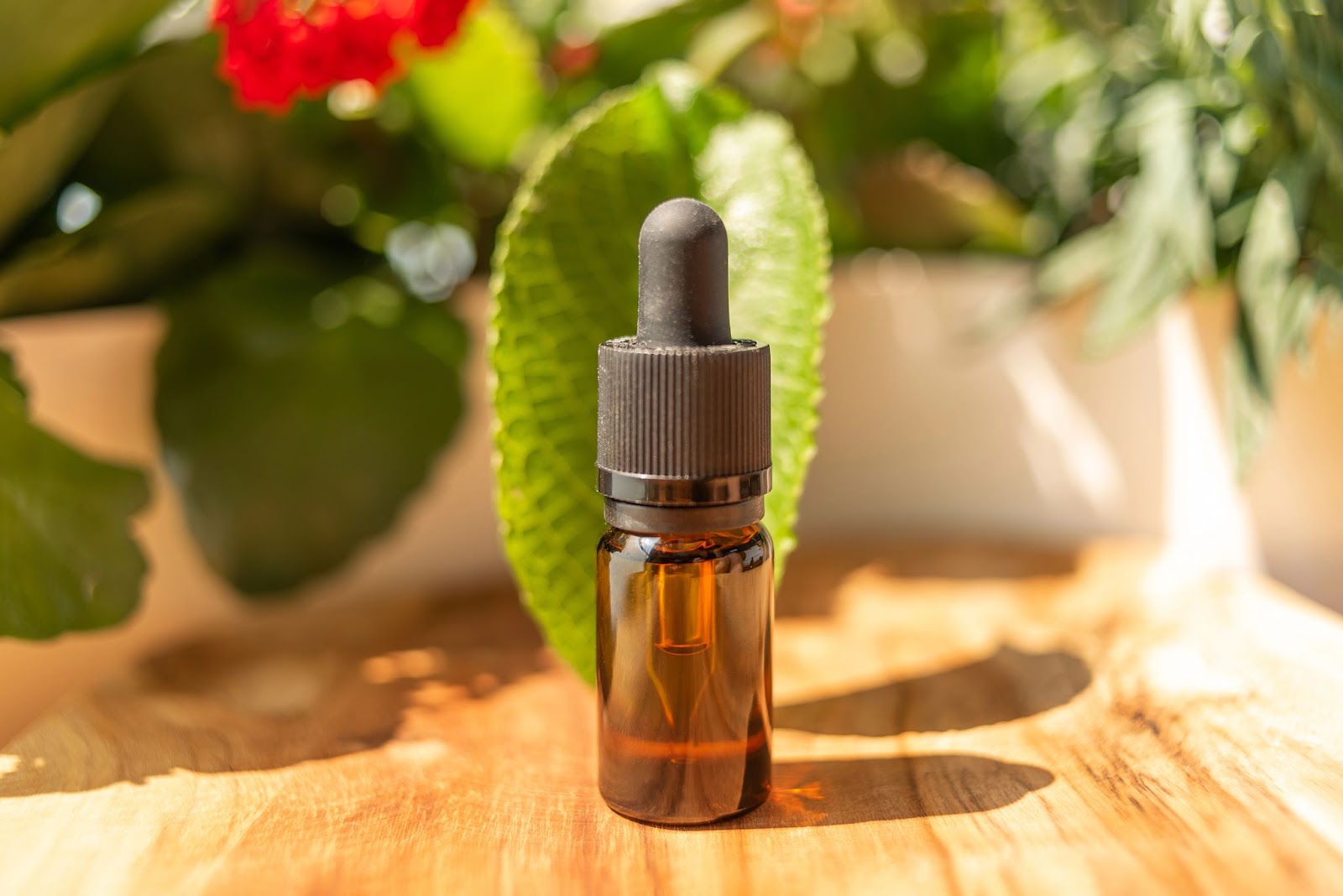
Cockroaches hate strong, pungent smells, particularly peppermint oil, eucalyptus, and bay leaves. These scents disrupt their sensory receptors and make treated areas less inviting. Natural repellents won’t eliminate an infestation, but they can deter roaches from specific areas when used consistently.
That dependence on scent works against cockroaches. Certain smells strongly disrupt their sensory receptors, pushing them away from treated areas. Florida homeowners have used natural repellents for years. Some of them actually work. Here’s which ones hold up and how to use them.
Which Essential Oils Repel Cockroaches?
Peppermint oil is the most research-backed option. It has been tested against both German and American cockroach species. Those are the two most common types in Florida. A few diluted drops, sprayed along baseboards and under sinks, create a barrier that roaches avoid.
Eucalyptus oil has been studied as a natural roach repellent and holds up well in research. It works on contact as well as through scent. That makes it more useful than oils that only repel.
Cypress oil, cedar oil, and tea tree oil round out the list of most consistently effective options. Cedar oil has the added benefit of working as a contact insecticide, not just a repellent, when roaches walk through treated areas.
Mix 10 to 15 drops with water and spray entry points, cracks, and areas with known roach activity. Reapply every few days. The scent fades as the oil evaporates. Consistency matters more than how much you use.
Do Essential Oils Kill Roaches or Just Repel Them?
Most essential oils repel rather than kill. Peppermint, eucalyptus, and lavender oils push roaches away from treated surfaces but don’t eliminate them.
Cedar oil and tea tree oil are partial exceptions. Both have documented toxic effects at higher concentrations. Direct contact can kill as well as deter. Oregano oil also shows toxicity in research settings, with effects lasting up to a week after application, depending on concentration.
Essential oils work best as a first layer of protection. They keep roaches out of specific areas. They don’t treat an active infestation. If roaches are already established in a wall void or behind an appliance, scent-based repellents won’t reach the colony. For that, you need bait or a professional treatment.
Do Kitchen Smells Deter Cockroaches?
Garlic, cayenne, and onion powder combined create a scent strong enough that roaches avoid it. Spraying these around a kitchen isn’t practical. Small sachets in cabinet corners and under appliances work better and hold for weeks without having to reapply.
Bay leaves are the simplest option. Place them on pantry shelves, inside cabinet drawers, and along the backs of counters. Roaches avoid the scent and won’t cross through areas where bay leaves are fresh. Replace them every few weeks as the scent fades. It’s a simple, non-toxic option that works alongside other steps.
Does Baking Soda Repel Roaches?
Baking soda doesn’t repel roaches. It kills them, but only when ingested. When mixed with diced onion or sugar, it becomes an effective bait: the sweetness draws roaches in, and the baking soda reacts with stomach acid after ingestion. It won’t work as a surface treatment or barrier the way essential oils do.
Place the mixture in small containers near known roach activity areas rather than spreading it as a powder.
Diatomaceous earth works differently. It damages the exoskeleton of roaches that walk through it. Apply a thin layer along baseboards and under appliances. It’s dry and odorless, and it keeps working until it gets wet or disturbed.
Which Plants Repel Cockroaches?
Mint is the most effective plant-based repellent. Spearmint and peppermint both work, and when planted around the outside of the home or in window boxes, they create a scent barrier at entry points. Basil and rosemary have similar properties. Both also double as kitchen herbs, making them easy to keep near doors and windows.
Lavender near entryways keeps roaches and other insects away. Chrysanthemums contain pyrethrin, a natural insecticide that affects cockroaches on contact. Citronella grass deters cockroaches year-round in Florida’s climate, not only in summer when it’s used for mosquitoes.
Where Should You Place Roach Repellents?
Start with the zones roaches actually use. Under sinks, behind appliances, and along kitchen and bathroom baseboards are where they travel. Repellents placed there stop roaches before they reach food sources. Pantry shelves and cabinet interiors are worth targeting too.
Outdoor placement matters too. Entry points (gaps around utility pipes, door frames, foundation vents, and window sills) are where repellents are most effective. Blocking the scent trail at the point of entry is more effective than treating inside after they’ve already come in. For persistent problems that natural repellents aren’t resolving, the next step is professional treatment.
Call Orange Pest for Roach Control
Natural repellents work best as a first line of defense, not a cure. If cockroaches are already established in your home, scent deterrents won’t reach the colony. We find where they’re nesting, treat the source, and make sure they don’t come back.
Call us at 321-340-3205 to schedule an inspection. We serve Brevard County and surrounding areas with roach control built around Florida’s species and conditions.
We proudly serve homeowners across:
• Viera
• Palm Bay
Did You Know?
Did you know cockroaches are capable of spreading diseases that can lead to food poisoning or diarrhea? They’re also known to irritate allergies and asthma with their saliva, feces, and cast-off skins. This makes it all the more important to prevent them from invading your home.
FAQ
What smells do roaches hate the most?
Cockroaches despise pungent scents like eucalyptus, peppermint, and citronella. These smells disrupt their sensory receptors and make them less likely to stick around.
Will essential oils kill cockroaches?
While essential oils won’t kill cockroaches, they’re effective at keeping them away by creating an unwelcoming environment.
Why are cockroaches more active at night?
Cockroaches are nocturnal, meaning they hide during the day and emerge at night to search for food and water.
How can I protect my Brevard County home from cockroaches?
Use natural repellents, keep your home clean, and seal potential entry points. For expert help, schedule a consultation with Orange Pest Control!